Additional Pictures
Date: 2002.02.14

|
|
Gas Hydrate Research Well Program Additional Pictures Date: 2002.02.14 |
|
| THUMBNAIL | NAME | REMARKS | DEPTH (m) |
|---|---|---|---|
|
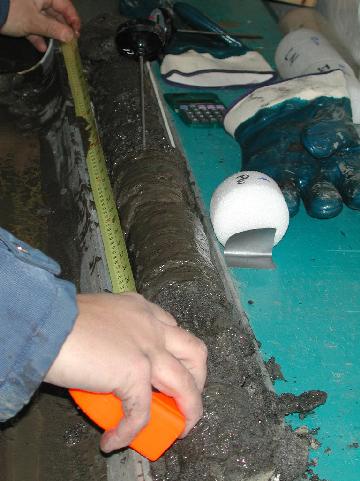
UN_sediment_10.jpg | The first description and the first sampling are taken place in the core trailer at the Mallik drill site. Measurements and the first sampling is done by the international crew in this room which is kept under a very low temperature. | n.a. - n.a. |
|
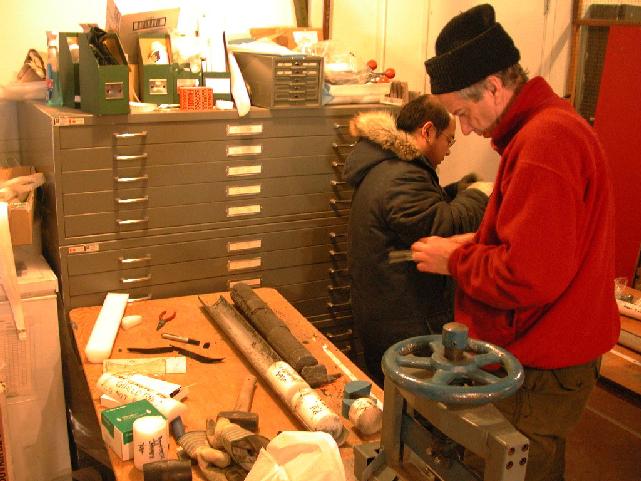
UN_sediment_11.jpg | When the frozen cores arrive at the Inuvik Research Center in liners, they are splitted up in two parts, a working box for sampling and an archive box. Here you see Jean-Serge Vincent (GSC) and Hiroshi Oda (JNOC) at the core splitting table. | n.a. - n.a. |
|
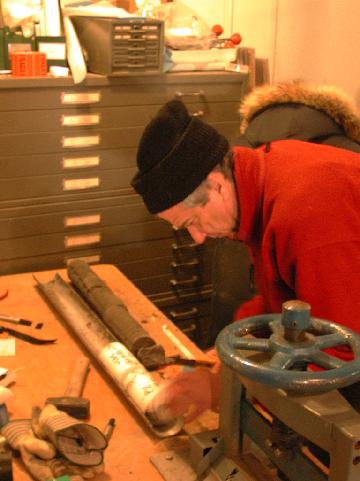
UN_sediment_12.jpg | Jean-Serge Vincent prepares a core section in the liners for archiving, scanning, description and sampling. The temperature of the sedimentology lab is kept below 5°C. | n.a. - n.a. |
|
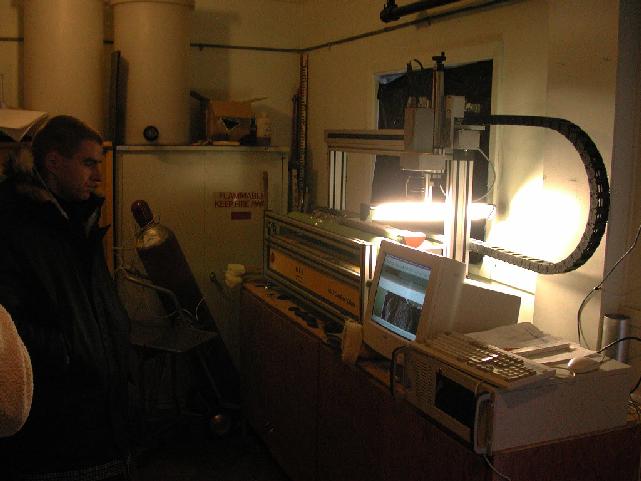
UN_sediment_13.jpg | After the core splitting the archive box is ready for scanning. The one-meter liner fills up completely the maximum size of the core scanner. | n.a. - n.a. |
|
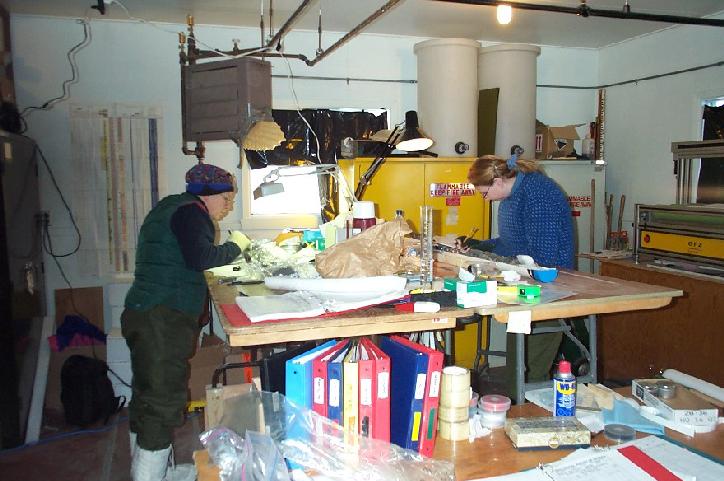
UN_sediment_14.jpg | Sedimentologists Pat Brennan-Alpert and Barbara Medioli (both from the GSC) work on the core logging and descriptions. They also prepare the samples for the different types of analyses. | n.a. - n.a. |
|
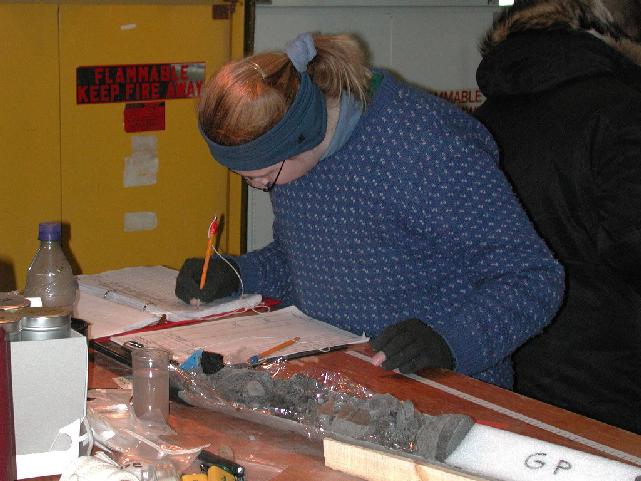
UN_sediment_2.jpg | Barbara Medioli (GSC) describes the sedimentology of the core sections. | n.a. - n.a. |
|
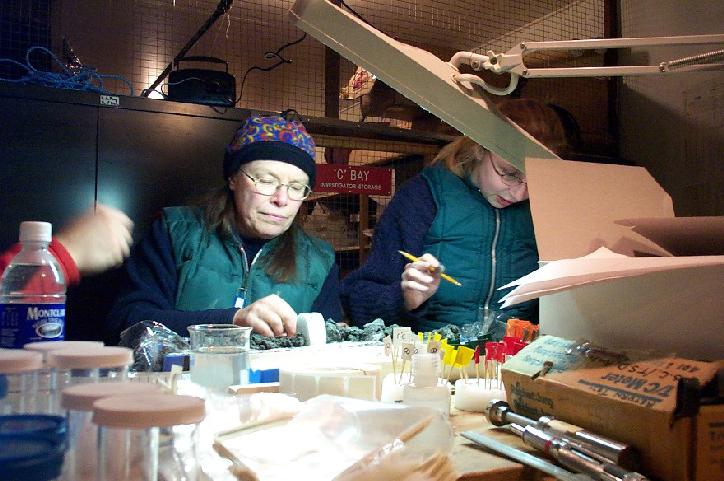
UN_sediment_3.jpg | Pat Brennan-Alpert and Barbara Medioli (both from the GSC) take samples on a working box. The scientists work on these samples at the same time in the Laboratories of the IRC as well as afterwards in their home institutes. | n.a. - n.a. |
|
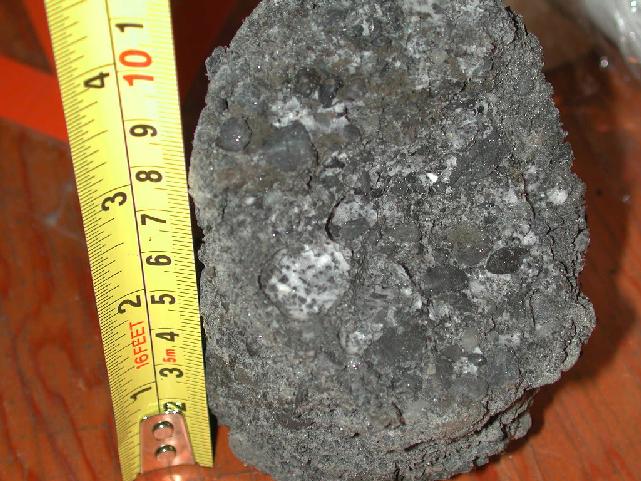
UN_sediment_4.jpg | The bedding plane of a gas hydrate - bearing conglomerate. The gas hydrate coating of a pebble is visible. | n.a. - n.a. |
|
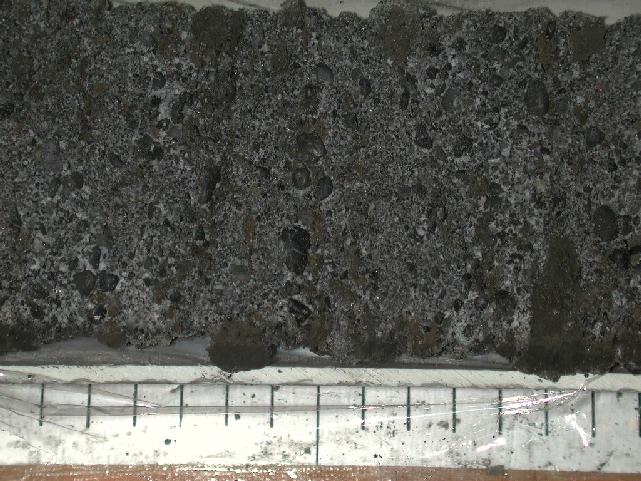
UN_sediment_5.jpg | A massive gas hydrate - bearing sand with pebble horizons and mud clasts. | n.a. - n.a. |
|
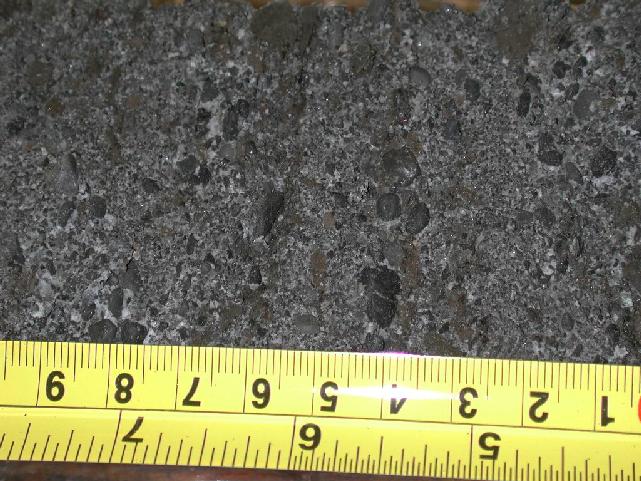
UN_sediment_6.jpg | A massive gas hydrate - bearing sand with pebble horizons and mud clasts. | n.a. - n.a. |
|
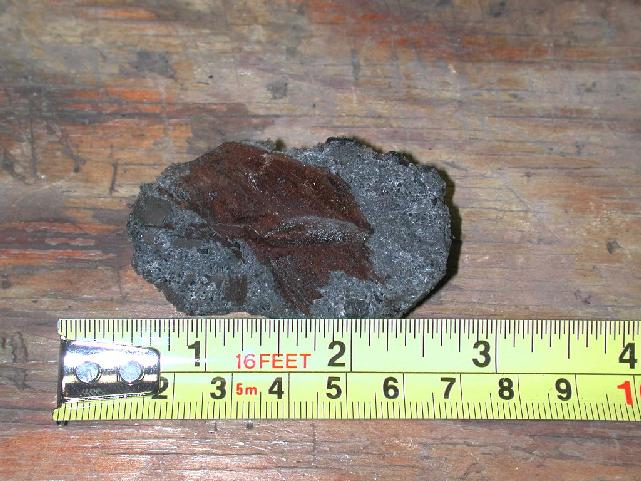
UN_sediment_7.jpg | A piece of fossilized wood on the bedding plane. | n.a. - n.a. |
|
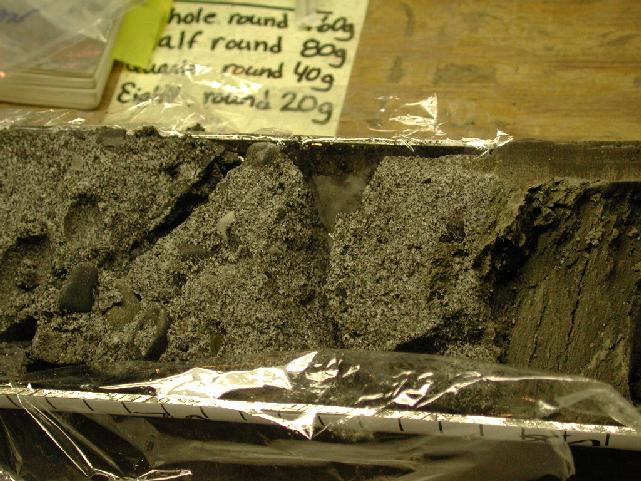
UN_sediment_8.jpg | This picture shows the contact between organic-rich clays and massive sands with pebbles and clasts. The sand contains gas hydrate. | n.a. - n.a. |
|
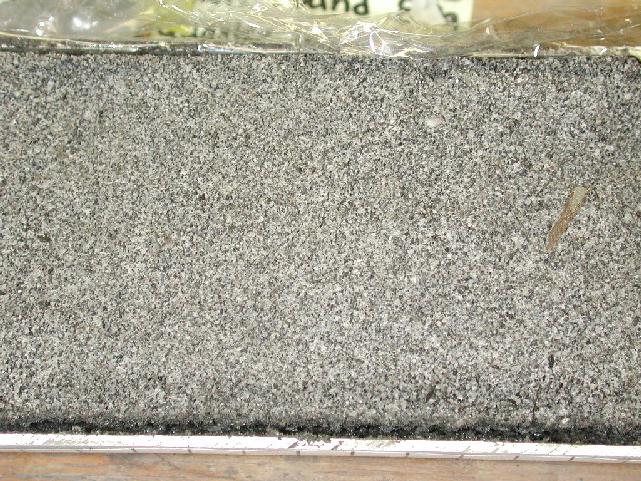
UN_sediment_9.jpg | A massive gas hydrate - bearing sand unit. It is weakly laminated and contains pebbles and wood fragments. | n.a. - n.a. |
|
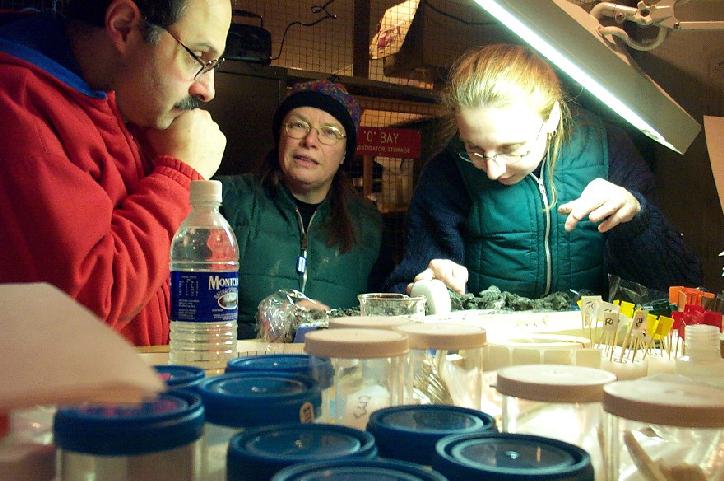
UN_sediment_91.jpg | Pat Brennan-Alpert (GSC) and Barbara Medioli (GSC) discuss some lithological units with Bill Winters from the USGS. | n.a. - n.a. |