Additional Pictures
Date: 2002.02.15
|
|
Gas Hydrate Research Well Program Additional Pictures Date: 2002.02.15 |
|
| THUMBNAIL | NAME | REMARKS | DEPTH (m) |
|---|---|---|---|
|
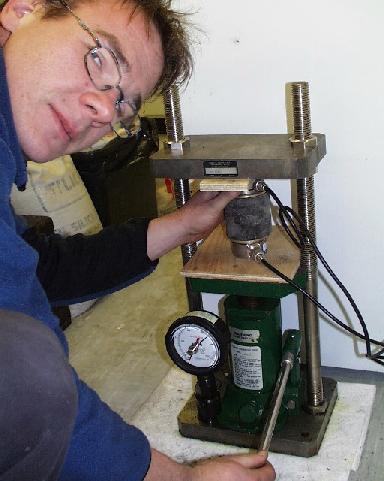
UN_geophy_1.jpg | Michael Riedel (GSC) and his geophysical index investigations of core samples. | n.a. - n.a. |
|
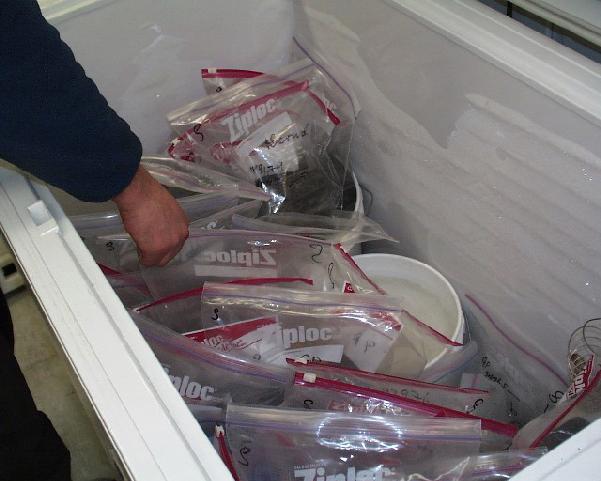
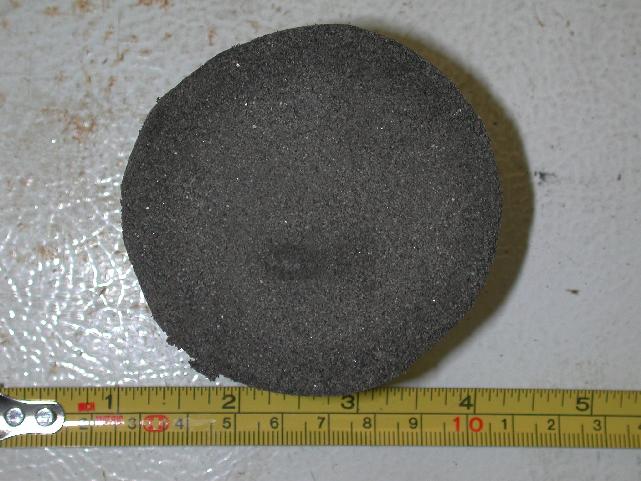
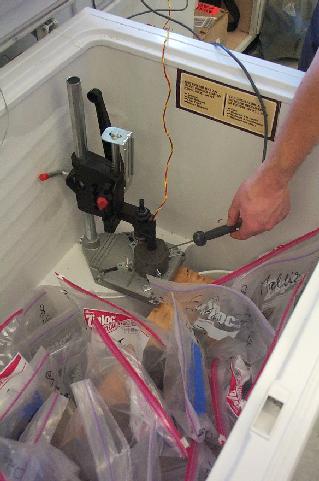
UN_geophy_2.jpg | For measuring electrical resistivity of a core sample containing gas hydrate, the samples are keeping at a temperature of around -8 deg C during the test. | n.a. - n.a. |
|
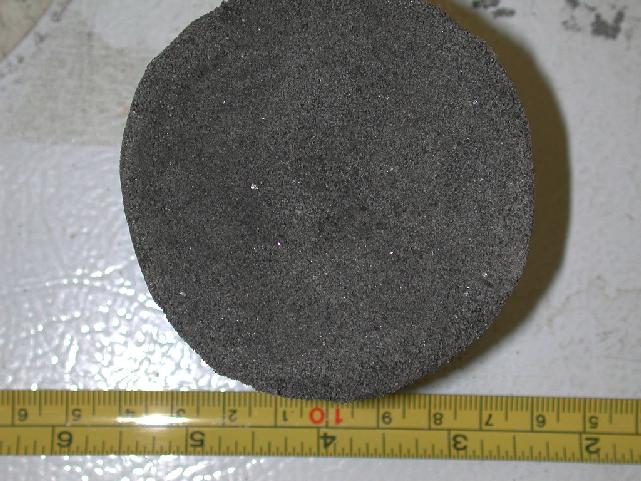
UN_geophy_3.jpg | First test of measuring electrical resistivity sample containing gas hydrate. After the test the sediment around the electrode probes was altered. At the contact points of the electrodes four white spots were identified indicating water-ice formation. | n.a. - n.a. |
|
UN_geophy_4.jpg | During the measurement, electrical resistivity was observed to increase until a maximum value was reached after 1 hour. Resistivity remained constant for another 30 minutes until test was finished. | n.a. - n.a. |
|
UN_geophy_5.jpg | This can be explained by the release and freezing of fresh water in close proximity to the electrode probes. The induced currents forced hydrate dissociation which released fresh water. This fresh water immediately froze in the vicinity of the probes. | n.a. - n.a. |